Engineered Garments
New York, Seen From the Inside of a Lot of Great Thrift Stores
Daiki Suzuki arrived in New York from Japan in the mid-1980s, fell in love with American workwear, military surplus, and the kind of clothing that worked harder than the people who made it. Engineered Garments, launched under the Nepenthes umbrella in 1999, is the result of three decades of paying close attention.
There is a particular type of menswear that the Japanese have always done better than the people who invented it. Not because they manufacture it more precisely, though they often do, but because they bring to it the love of the outsider, the enthusiasm of the collector, the eye of someone who has chosen to care deeply about something that most people treat as an afterthought.
Daiki Suzuki is the clearest expression of this tendency in contemporary menswear. He arrived in New York in 1989, spent years working at Barneys when Barneys was still the kind of place where a person could get an education, and eventually opened Nepenthes NY on 39th Street in 1994. Engineered Garments came five years later, and it has been making the same essential argument since: that American workwear, military surplus, and pre-synthetic sportswear contain a kind of latent elegance that rewards close attention.
The clothes do not photograph well. This is not a bug. Suzuki cuts for movement and layering, which means the pieces look best when they are being worn in overlapping combinations that no studio photographer would think to attempt. A Bedford jacket over a flannel shirt over a turtleneck, with a pair of fatigue pants that have been washed enough times to drape exactly right. These are not clothes for standing still.
What separates Engineered Garments from its many imitators is specificity. Suzuki is not invoking a mood of workwear: he is referencing particular garments, particular periods, particular details. The anorak with its offset zipper and its unusual quilting pattern. The Cagoule Shirt with its toggle drawcord. The Navigator Anorak that riffs so specifically on vintage military sailing gear that wearing one feels slightly like cheating. The references are always there, but they are worn lightly.
The fabrics tend toward the heavy side. Suzuki sources from Japanese mills that produce small runs of exceptional material: dense cotton duck, washed linen canvas, wool-cotton blends that soften with age in a way that synthetic blends never do. This means that Engineered Garments pieces do not peak on the day you buy them. They peak sometime around the third or fourth year, when the fabric has relaxed, the colours have faded into something better than they started, and the garment has accepted the particular shape of its wearer.
This is, in the end, what the brand is about. Not novelty, not trend, not the performance of taste. Just clothes, made with real thought, that become genuinely better over time.
Why buy pre-loved Engineered Garments
Engineered Garments pieces hit their stride well after their retail run ends. The heavy cotton duck that feels stiff in the changing room will have softened entirely by year two; the washed canvas that looks almost ordinary new looks extraordinary worn. Buying pre-loved means acquiring a garment that has already done its hardest work, and frequently at a significant discount from a label that retails ambitiously.
Engineered Garments in stock
View allEngineered Garments
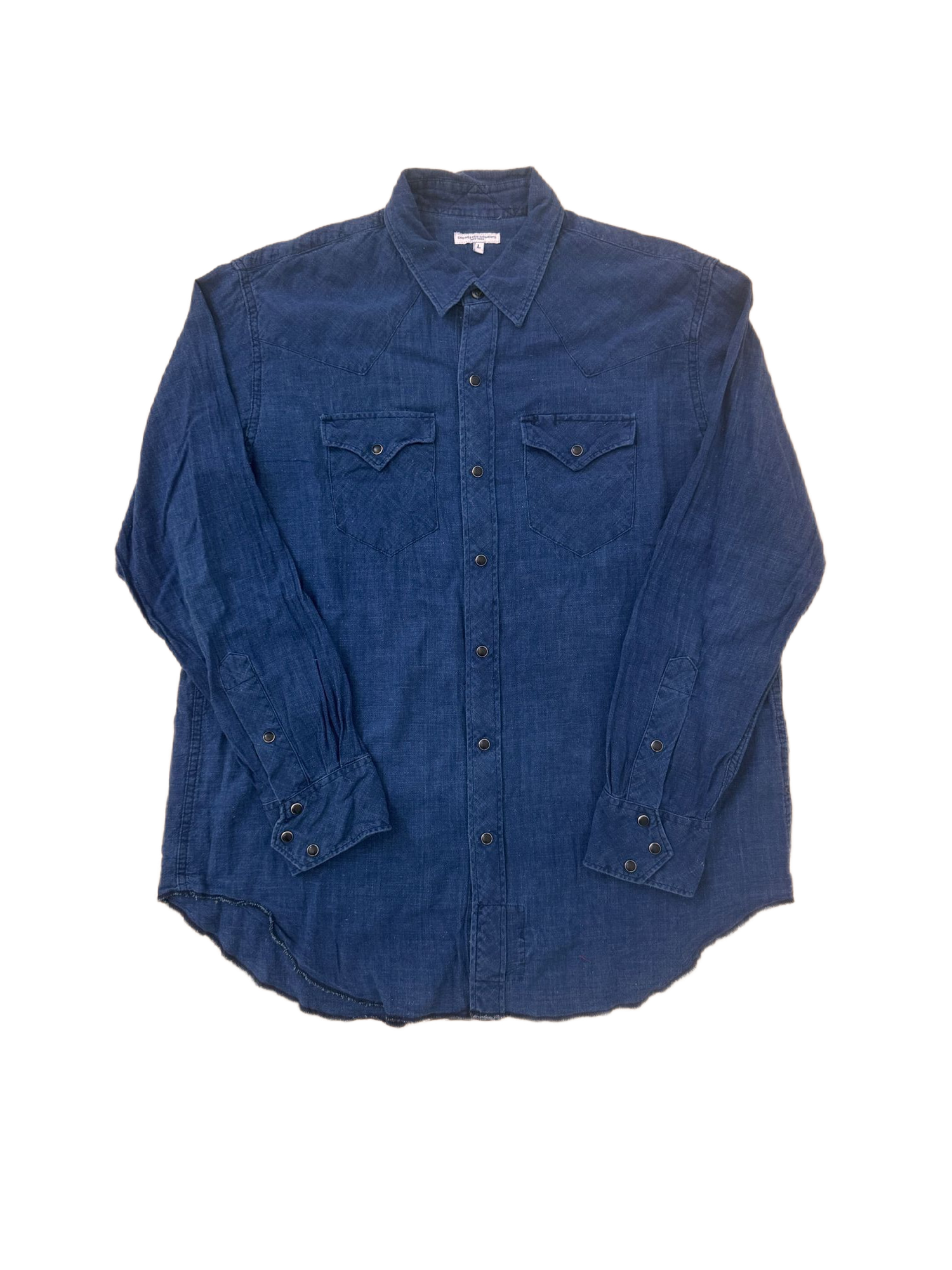
LWestern Shirt in Indigo Chambray
$125.00$245.00
Engineered Garments
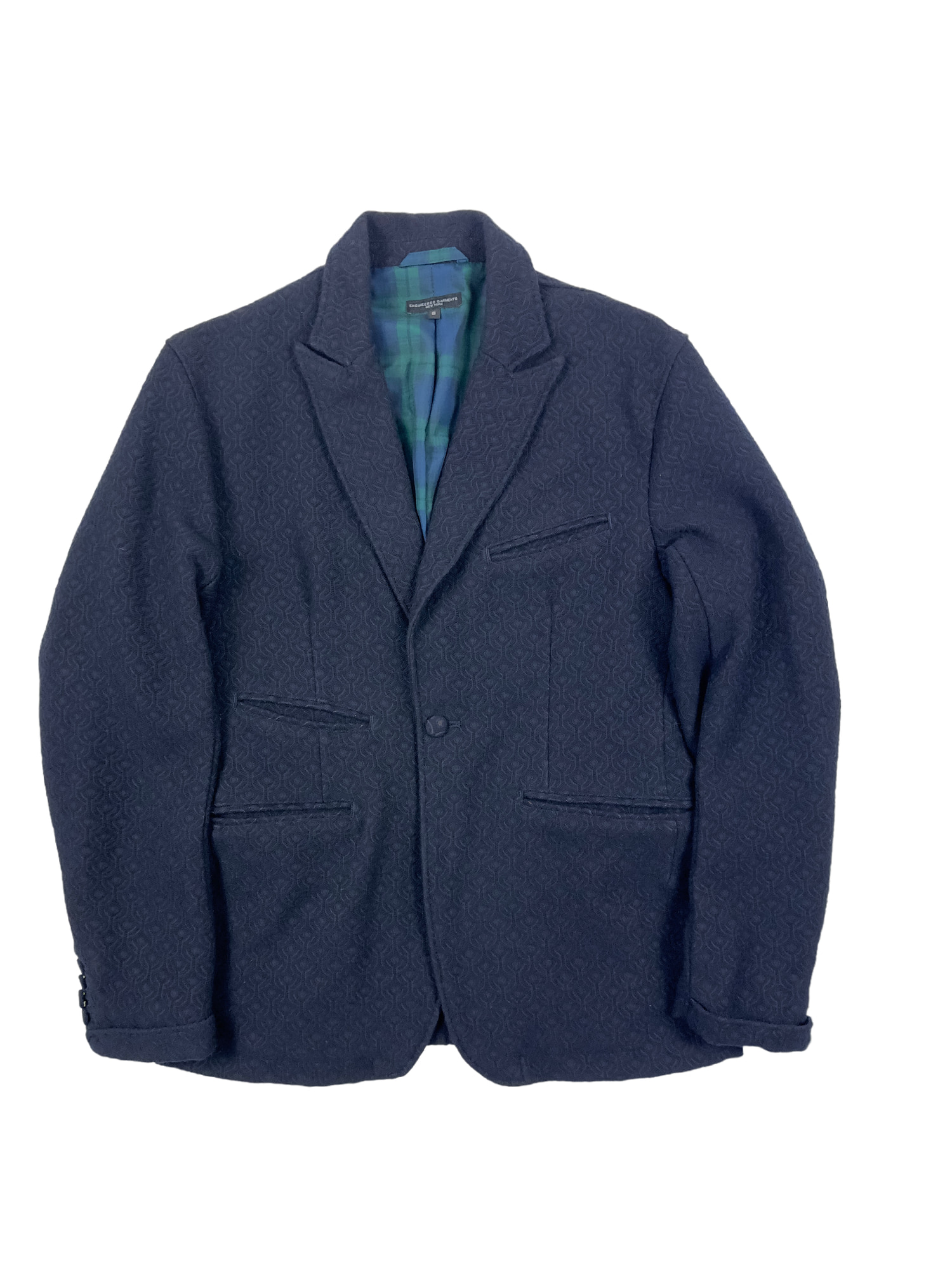
SF/W Jacquard Jacket
$138.00$385.00
Engineered Garments
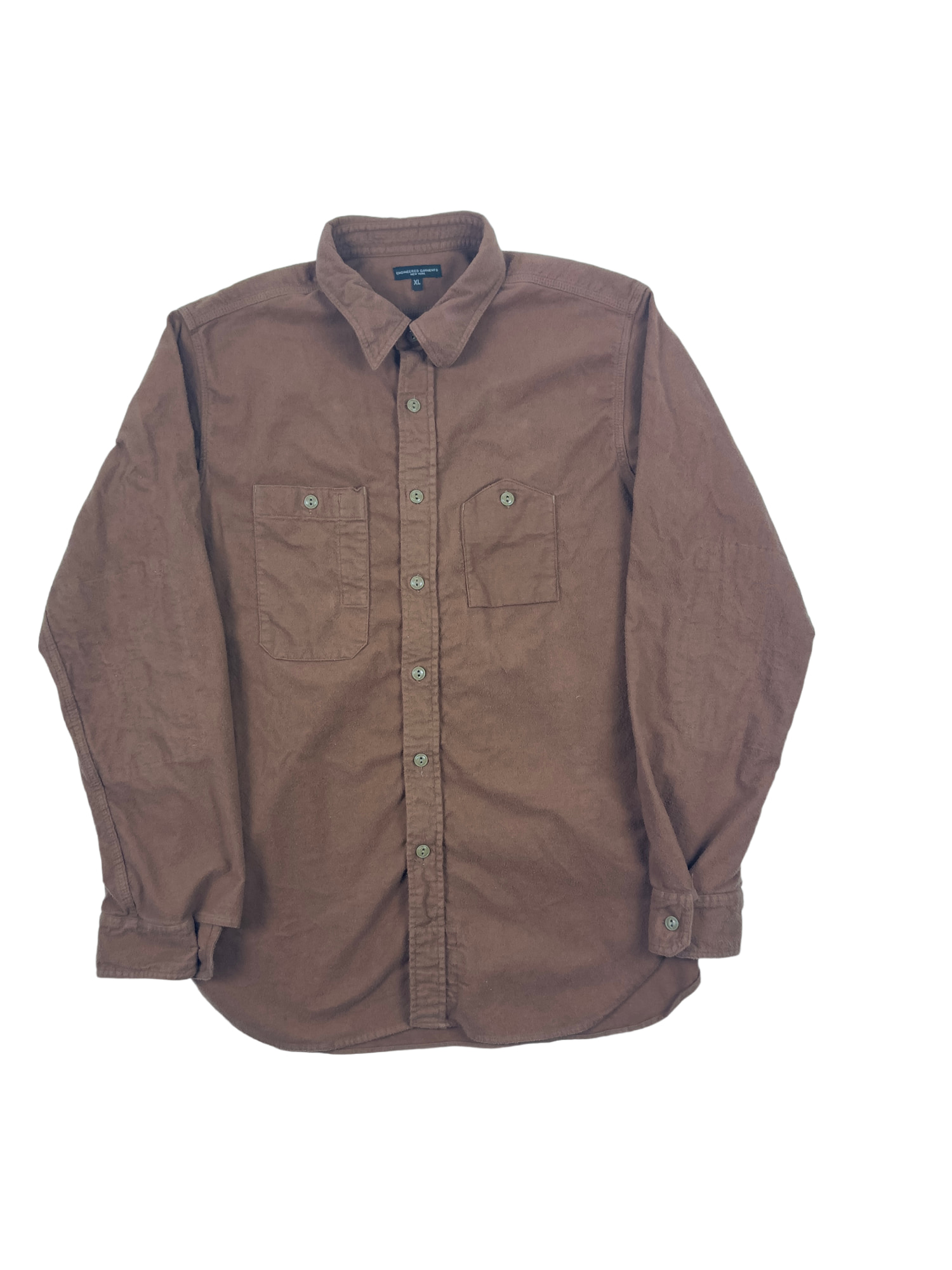
XLFlannel Work Shirt
$66.30$265.00
Engineered Garments
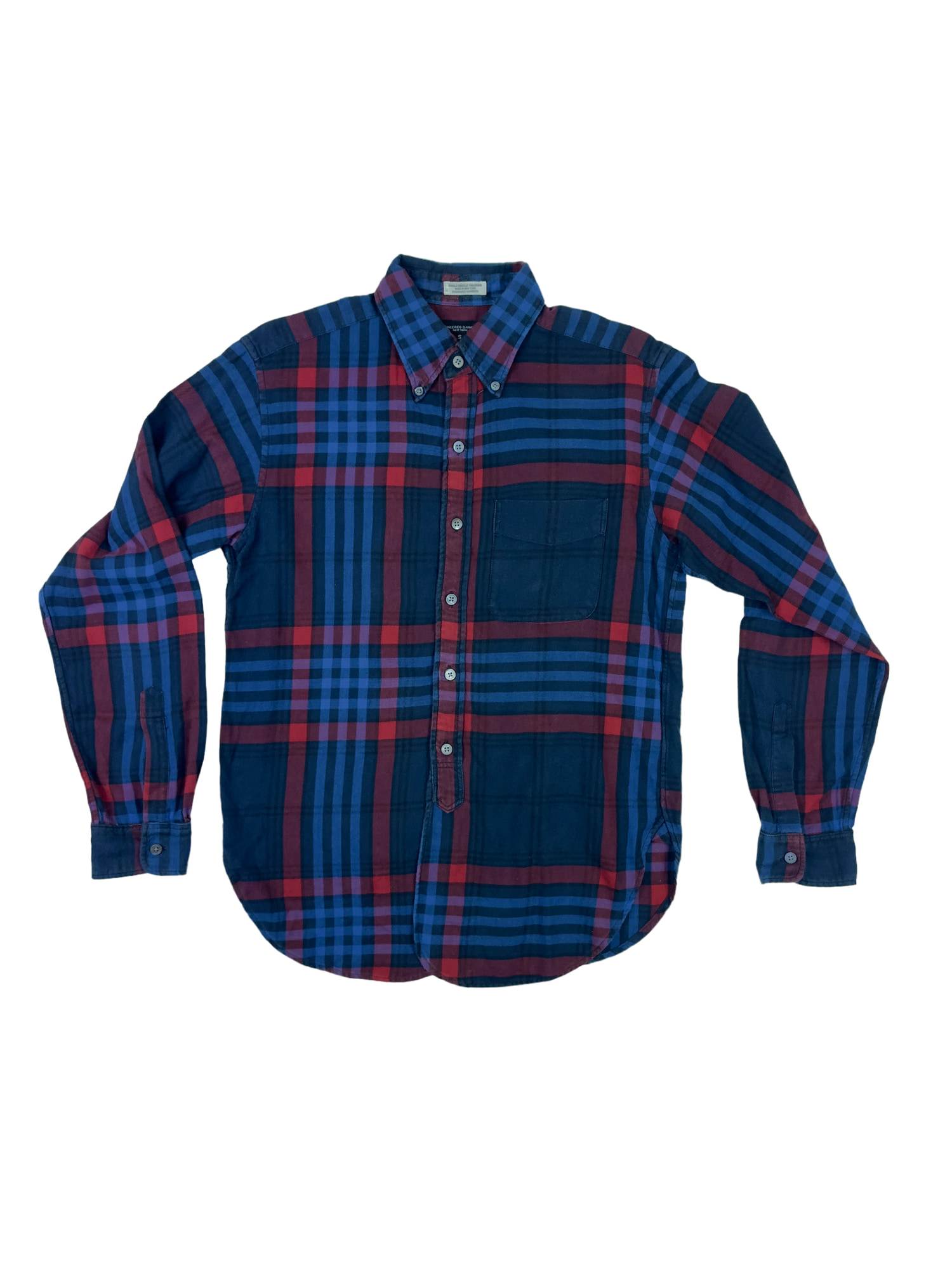
S19th Century Shirt
$78.00$265.00

Engineered Garments
MHeavy Work Shirt
$138.00$285.00
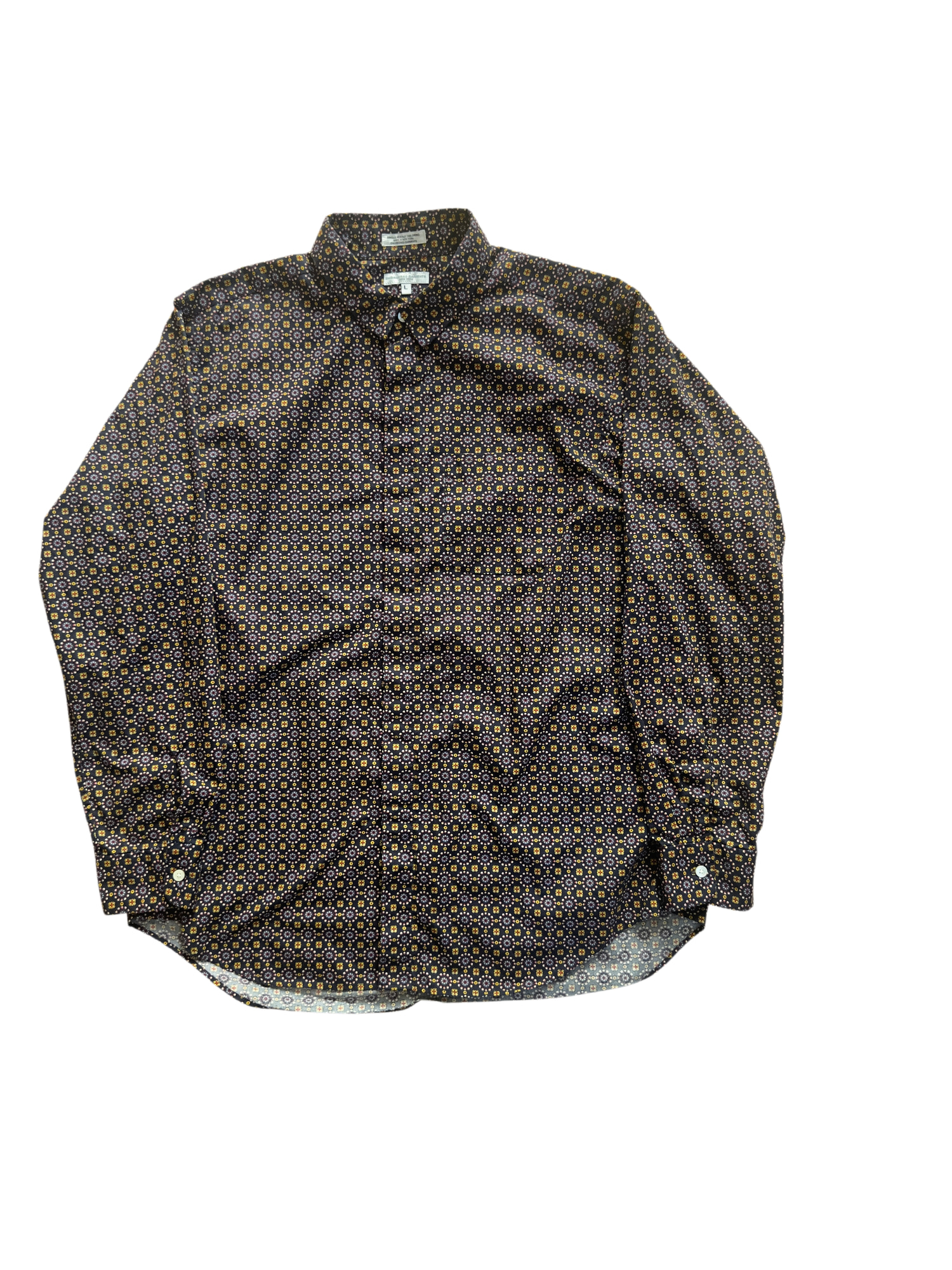
Engineered Garments
LPattern Button Down Shirt
$88.00$285.00
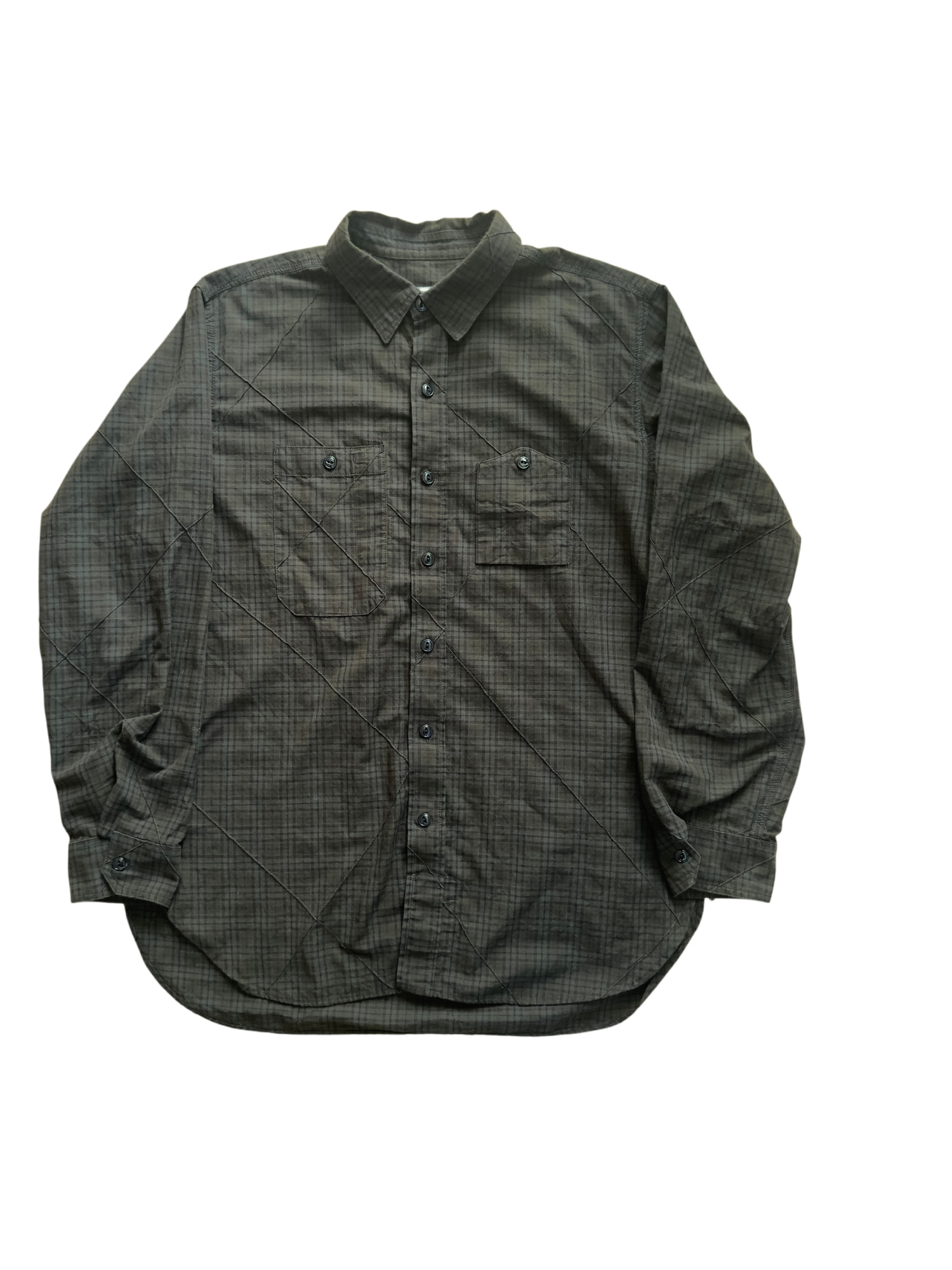
Engineered Garments
LPatchwork Blackwatch Work Shirt
$98.00$285.00