Visvim
Extraordinary Materials, Obsessive Process, Rational Only in Hindsight
Hiroki Nakamura founded Visvim in Hokkaido in 2000 with a pair of shoes that did not look like anything else being made. Twenty-five years later, he is still sourcing fabric from suppliers no one else visits, referencing folk traditions no one else studies, and producing pieces that are so precisely what they are that their prices begin, over time, to make a different kind of sense.
The FBT (Folk Blanket Top) moccasin arrived in 2001 and changed the way a generation of designers thought about footwear. It was a construction boot sole married to a moccasin upper, with a Pendleton-style blanket fabric that referenced simultaneously the American West, Japanese mountain craft, and nothing that had been produced before. People who understood it bought them immediately. People who did not spent several years catching up.
Hiroki Nakamura had trained as a snowboarder-adjacent product designer, spent time at Burton, and then turned his full attention to the question of what footwear could be if it began with materials rather than silhouettes. His sourcing practice involves visiting tanneries in France, linen mills in Belgium, handloom operations in India and Japan, and convincing small producers to make quantities and qualities that they do not normally produce for brands of Visvim's scale. He is persuasive because he understands what he is asking for and why.
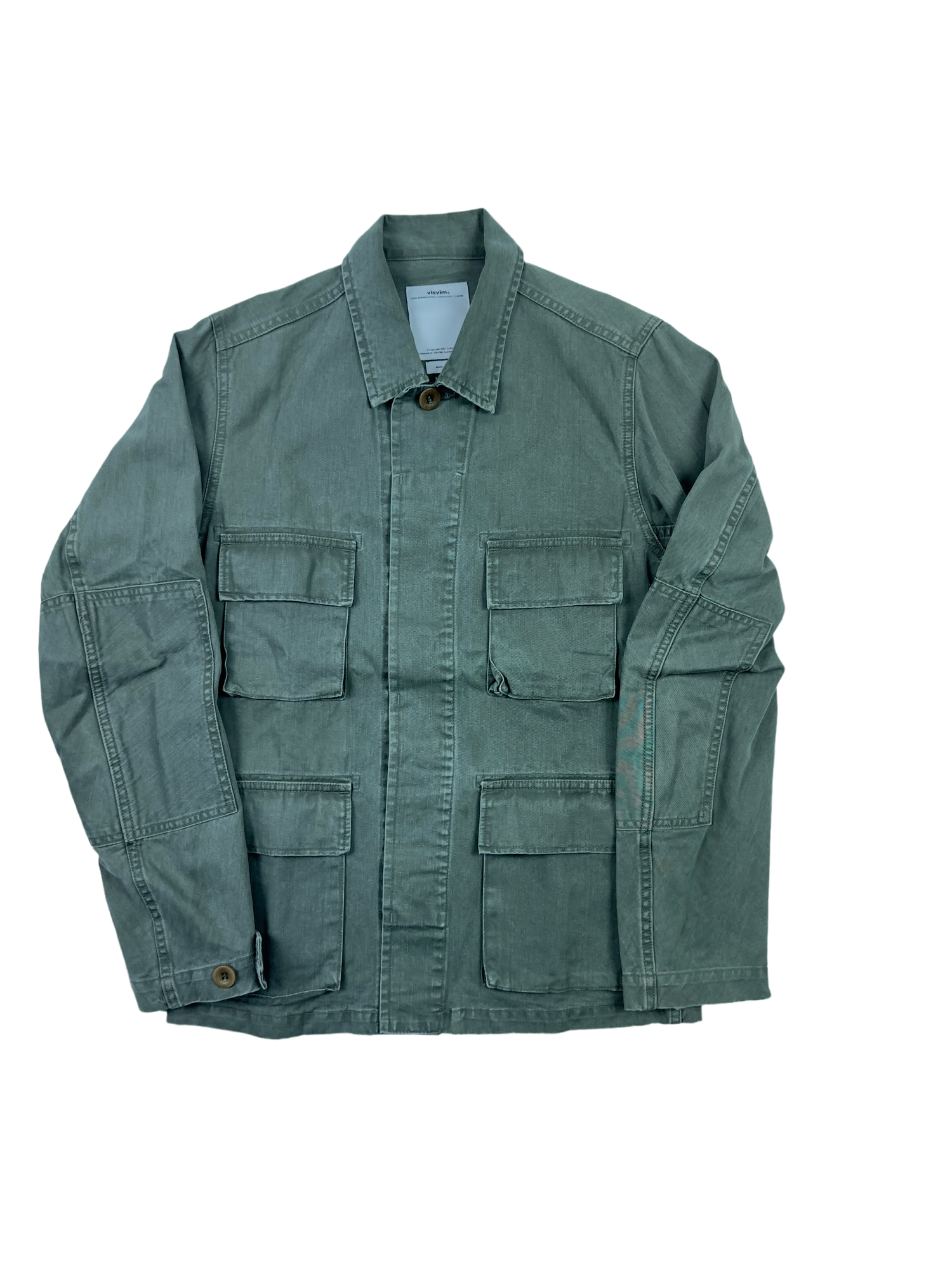
The clothing, which came after the footwear, applies the same logic. A Visvim shirt is often made from a fabric that no longer exists in commercial production. The lining of a jacket might be vintage kimono silk. The collar on what appears to be a standard work shirt may be hand-stitched using a technique specific to one region of Japan. None of this is visible to the unaware observer. All of it is registered by the wearer.
Nakamura makes clothes that look old. Not aggressively, not as an affectation, but as the honest result of sourcing materials with history and constructing things that were built to develop with age rather than decline with it. A Visvim linen piece that has been worn through several summers looks, at the end of that process, exactly as it should.
The prices are genuinely high. This is the primary objection. The secondary objection, occasionally encountered in fashion journalism, that the clothes are somehow overdesigned or self-serious is more interesting and probably misses the point. Nakamura is not designing for observers. He is designing for wearers who will notice things that observers won't.
Why buy pre-loved Visvim
Visvim's retail prices are ambitious. Pre-loved acquisition is the rational alternative, and often the only way to access discontinued pieces, which include some of the label's best work. Because the materials are exceptional and the construction rigorous, Visvim ages well: a ten-year-old FBT that has been worn and cared for will outperform most contemporary alternatives still in production.