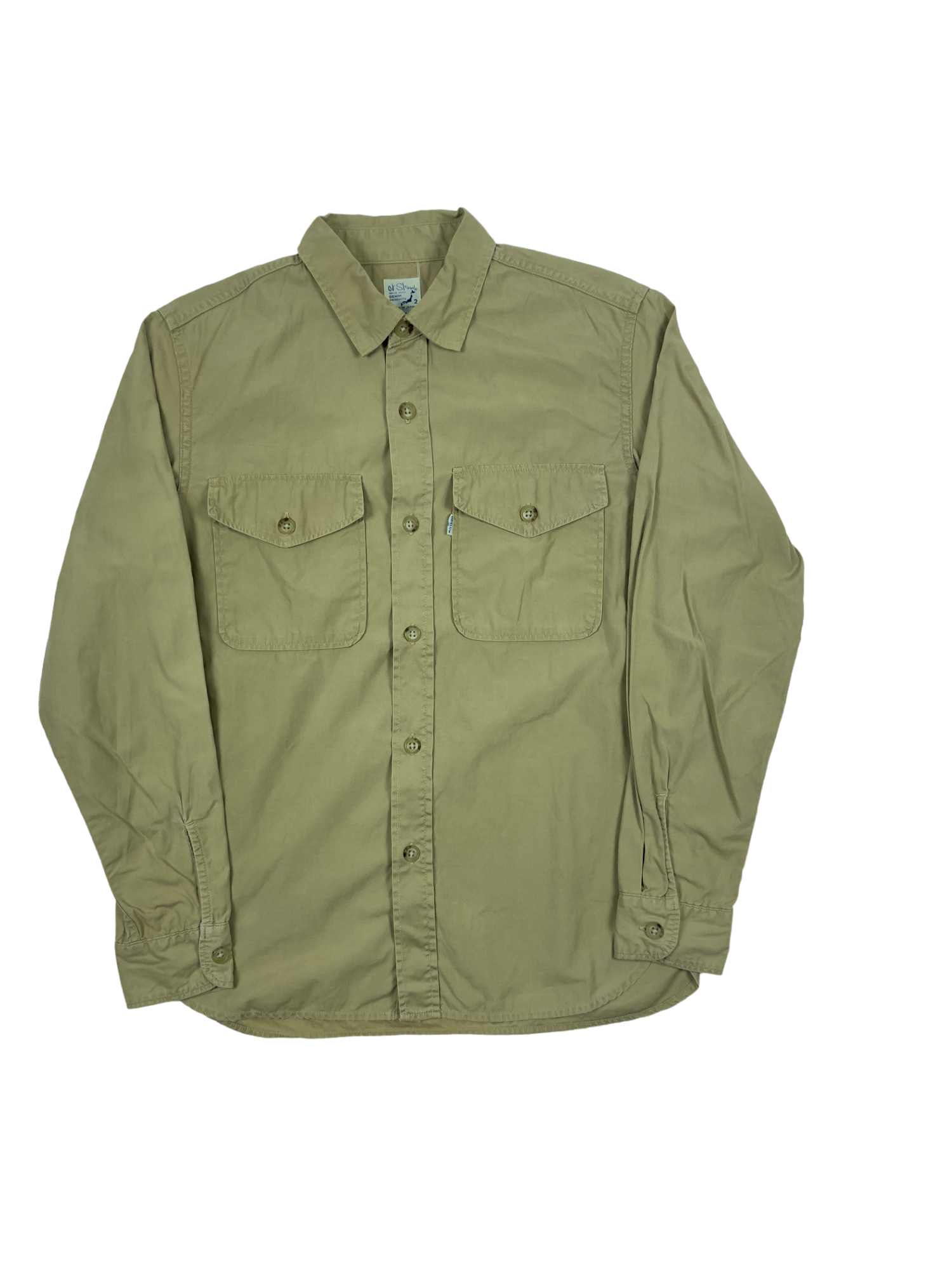
orSlow
The Brand That Named Itself After What It Refuses to Do
Koichi Inakoshi founded orSlow in 2005 in Tokyo with a single instruction to himself: make less, make it well, and do not change things that do not need changing. The brand name is a compressed version of the principle. The jeans, trousers, and workwear it produces are among the most consistent things in contemporary Japanese menswear.
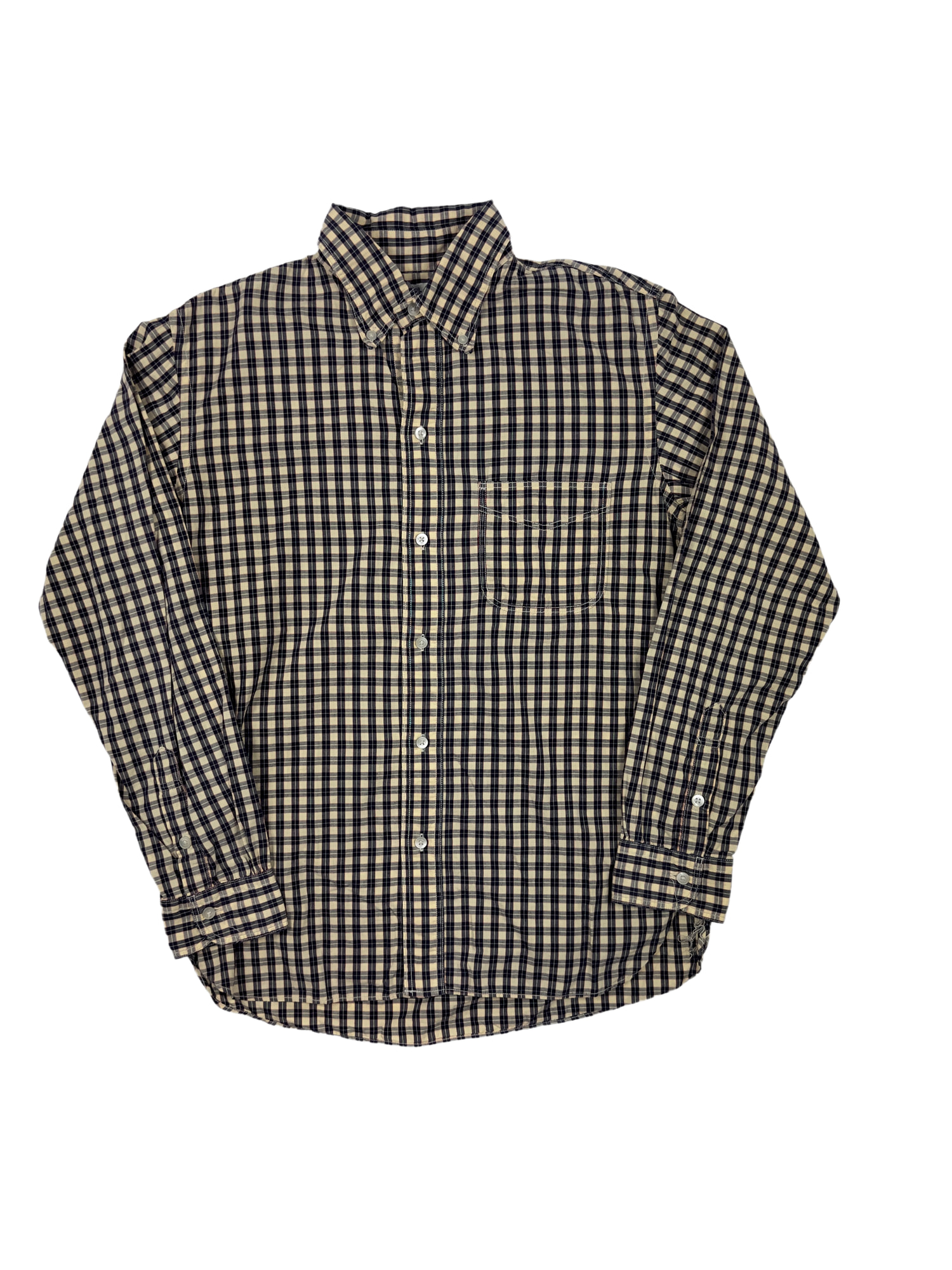
orSlow makes a limited number of things. The 107 Ivy Fit Jean. The 105 Slim Fit. The French work jacket. The US navy deck pant. The fatigue trouser. The painter pant. These are not original inventions; they are reconstructions of American workwear and military garments that Inakoshi considers to have been definitively designed before he arrived. His task, as he has described it, is not to improve on them but to make them correctly.
Making them correctly turns out to require unusual discipline. Inakoshi uses Japanese selvage denim from mills that still operate the slow, narrow looms that produce the fabric's characteristic self-edge. He sources Japanese cotton duck for his workwear pieces at weights that standard production no longer runs. The dye lots are small; the washes are careful; the finishing is done by hand at stages that automated production skips.
The result is clothing that does not look expensive but behaves expensively. An orSlow pair of jeans purchased at their retail price (reasonable by Japanese standards, moderate by international ones) will, with regular wear and washing, produce a fade pattern over two to three years that most denim brands cannot replicate with any amount of finishing. The underlying denim simply performs the process correctly.
This is the orSlow argument: that authenticity in workwear is not an aesthetic position but a material and process one. The jeans look like Japanese workwear jeans because they are made with the same materials and processes as Japanese workwear jeans. They fade the way Japanese workwear jeans fade because the indigo is applied the way indigo is supposed to be applied. The garments are not references to a tradition; they are continuations of it.
Inakoshi has not changed the core collection substantially since 2005. New colourways appear; new seasonal pieces are added; but the fundamental silhouettes and garments have remained stable. This is either evidence of a limited imagination, a charge occasionally levelled, or evidence of genuine confidence in having identified what needs to be made. The long-term collectors who return to the brand every season seem to have settled the argument.
Why buy pre-loved orSlow
orSlow's stable design vocabulary means that pieces from five years ago are identical in silhouette to pieces from this season. Pre-loved acquisition is essentially indistinguishable from buying new, except that the denim has already begun the fade that is the whole point of owning it. Particularly for the raw denim styles, buying worn means skipping months of uncomfortable break-in time.